
Why CRM Data Fails: The Hidden Cost of Call Drift
Call drift erodes CRM accuracy between conversations and data entry, hurting follow-through and forecasting. Learn where it happens and how to prevent it.
Call drift: the quiet gap between what was said and what gets saved
Every revenue team has felt it: a great customer call happens, everyone leaves aligned, and the CRM ends up with a vague note—if anything at all. That gap is “call drift,” the gradual loss of decision-grade detail between the conversation and the system of record. It’s not just forgetfulness; it’s a structural failure in how modern selling works. In sales-ops terms, it’s where CRM-hygiene breaks down and the pipeline starts lying.
Call drift shows up as missing next steps, unlogged stakeholders, fuzzy objections, and “close date optimism” untethered from the actual conversation. When those details aren’t captured as structured fields and tasks, managers can’t trust pipeline-forecasting, reps miss follow-ups, and handoffs to account management or support are forced to rely on tribal knowledge.
The hidden cost is compounding: each imperfect entry becomes the baseline for the next meeting, the next forecast, and the next workflow automation. Over time, the CRM becomes a rear-view mirror—useful for reporting, but unreliable for running the business.
Where call drift happens (and why it distorts the pipeline)
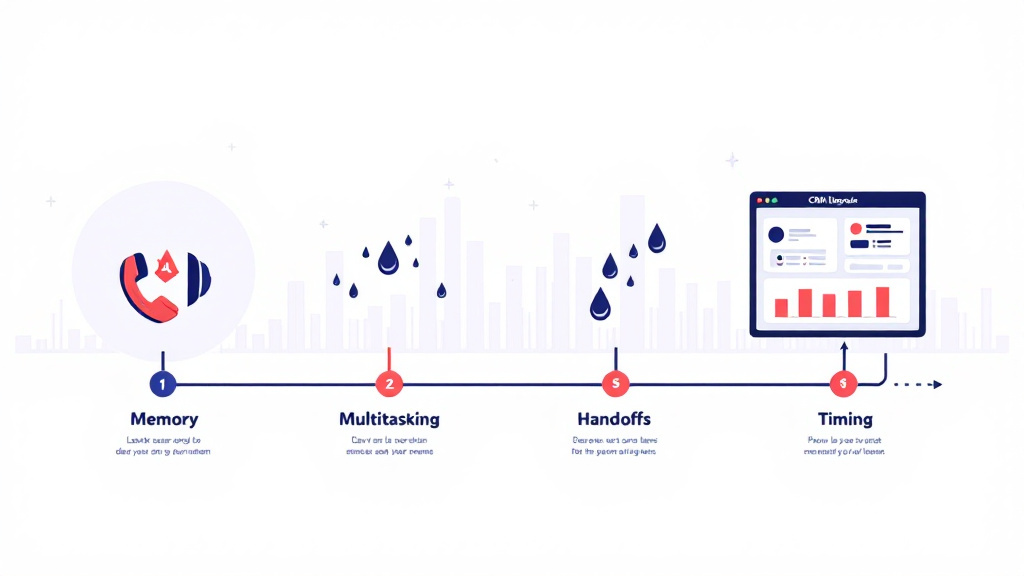
Call drift isn’t one mistake—it’s a chain of small failures. First is memory: reps remember the headline but lose the specifics (pricing objections, security requirements, decision process). Next is multitasking: teams jump from call to call, and CRM updates become “later.” Timing matters because the longer the delay, the more the note becomes a reconstruction rather than a record.
Then come handoffs. When an AE passes context to an SDR, CSM, or support lead, nuance gets compressed into a Slack message instead of durable CRM notes and tasks. Finally, incentives can skew entries: deal stages get advanced to match expectations, not evidence. This is why pipeline-forecasting often diverges from reality—your CRM is capturing intent, not verified signals.
Leading sales-ops teams treat conversation-intelligence as a data integrity problem, not a coaching feature. They standardize what must be captured (stakeholders, objections, next steps, dates), and they insist those items land as structured fields—so dashboards, routing, and workflowautomation run on facts, not vibes.
Preserving decision-grade CRM data without adding admin work
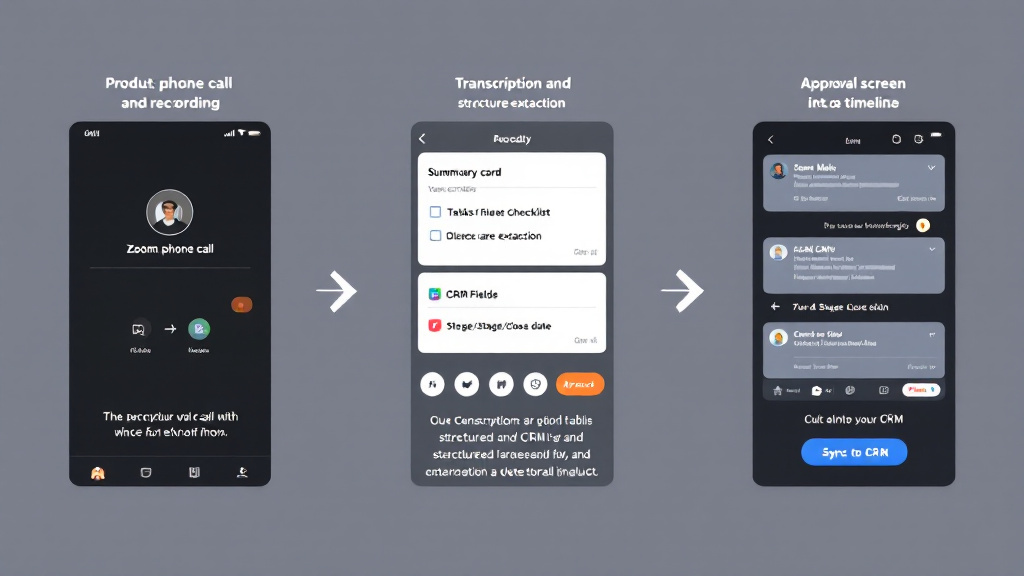
Fixing call drift doesn’t mean asking reps to type more. It means converting what already exists—the audio—into reviewable, structured CRM updates. The practical pattern is: capture and link the recording to the right contact/account/deal, extract what matters (summary, entities, objections, next steps), then apply human-in-the-loop approval before writing back. This preserves trust: the CRM is accurate, and the team retains control.
Tools like CRM Whisper are built around that workflow: turn call recordings and voice notes into proposed notes, tasks, and field changes, then sync the approved updates back to Salesforce or HubSpot with audit history. The outcome is better crm-hygiene with less admin burden—especially when tasks and timeline entries are created automatically and tied to due dates.
When decision-grade data lands consistently, sales-ops can run reliable pipeline-forecasting, managers can inspect deals by evidence, and downstream teams inherit clear context. The moonshot isn’t “more data entry.” It’s a CRM that updates itself from the conversation—so execution and forecasting improve at the same time.